

The removable appliances are effective during the time they are worn. When used correctly, removable braces can correct tooth- and jaw disprecancies and stabilize the final treatment result. Some of the most common removable braces are listed below:
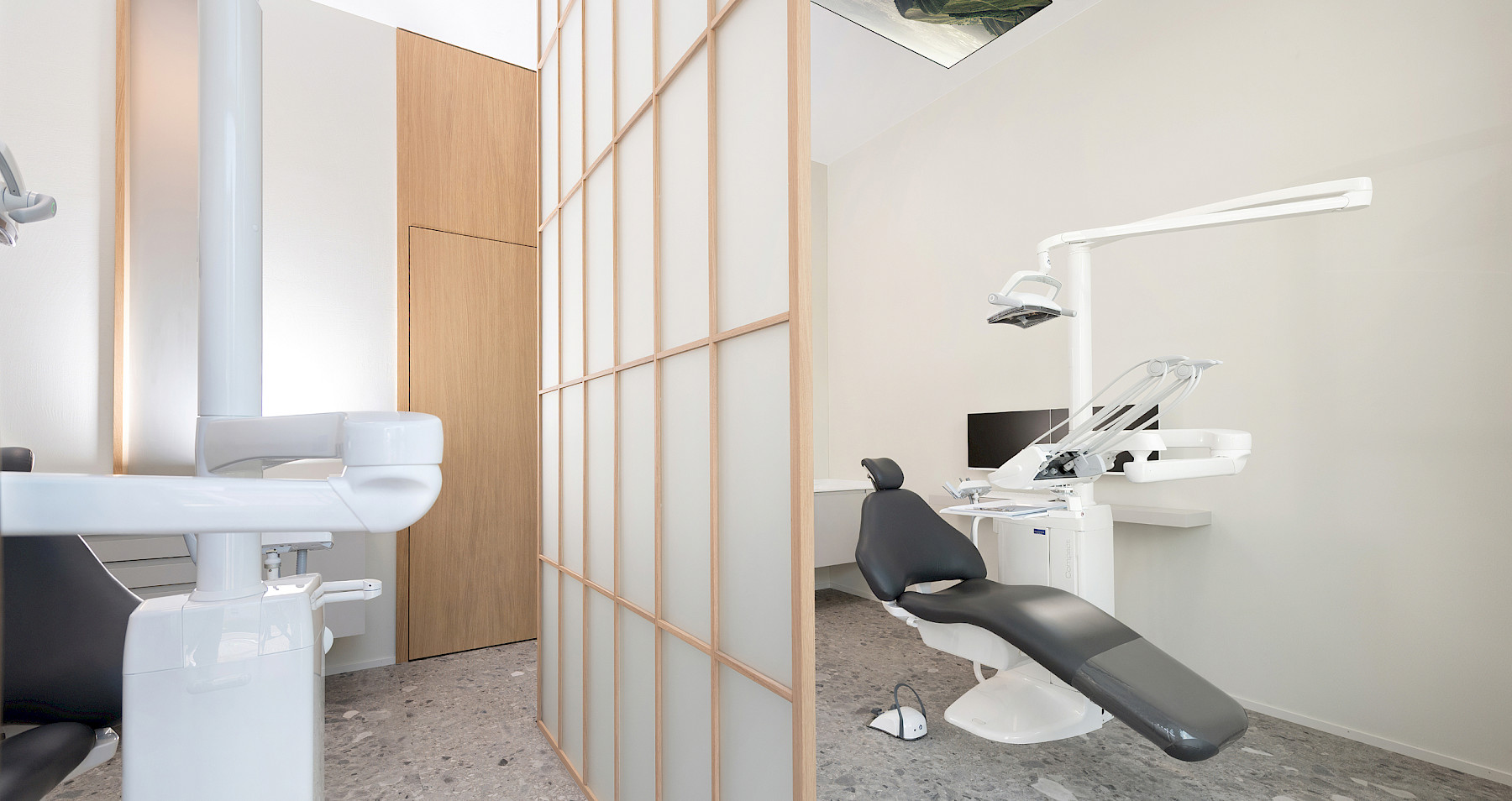
First visit
At the first appointment (new admission or second opinion), we primarily discuss the individual needs and possible treatment options in a non-binding consultation following the orthodontic assessment.
If treatment with braces is desired, the complete orthodontic planning documents are prepared. Thanks to the latest technologies, including 3D scans and digital low-radiation X-rays, we guarantee precise diagnoses and a treatment concept tailored to you.
| Book your appointment | You can find us here |
Further treatments


Skeletally anchored braces
Enable precise tooth corrections against a pain-free absolute (skelettal) anchorage.
Costs
The costs for orthodontic treatment vary depending on the complexity (medical requirements). As a member of the Swiss Dental Association (SSO) we charge according to the valid SSO tariff. The tax point value for private patients according to Dentotar is CHF 1.10. When discussing the treatment plan, you will receive a written cost estimate stating the expected duration of treatment. As specialists in orthodontics we endeavor to guarantee the most efficient and therefore cost-effective treatment possible.
If you have a supplementary dental insurance, health insurance companies often cover a large part of the costs. In certain cases, such as pronounced misaligned teeth/jaw discrepancies, costs may also be covered by general health insurance or the swiss disability insurance (IV) - we clarify this carefully for each patient.